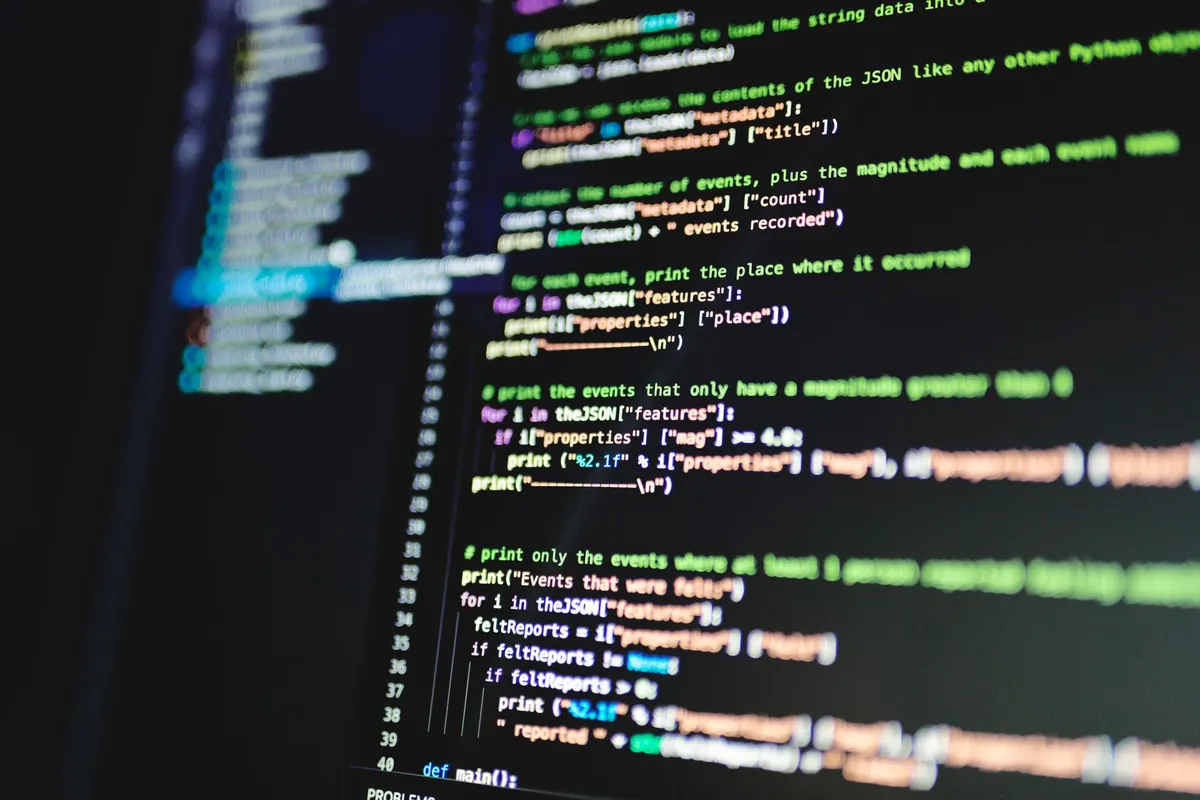
From Zero to Developer: A 6-Month Self-Study Roadmap for 2024
Six months will not turn anyone into a senior engineer. It can, however, take someone who has never written a line of code to the point where they build working applications, read other people's code without panic, and hold a credible conversation in a technical interview. The people who get there are rarely the most talented in the room. They are the ones with a plan that tells them what to do on a Tuesday evening when motivation is nowhere to be found. This is that plan.
Treat it as a template, not a contract. Adjust the pace, keep the structure.
Ground Rules Before Week One
Two decisions matter more than any other: pick one language and pick one primary learning resource. Python and JavaScript are the sensible defaults — Python for scripting, data work and backend services, JavaScript if you want to build things you can see in a browser immediately. Choosing both is how people lose a month.
Budget your hours honestly. Ten to fifteen hours a week is enough to finish this roadmap; five hours a week means stretching the same plan across nine or ten months, which is fine but should be acknowledged up front. Write the hours into your calendar like appointments, in blocks of ninety minutes or less. Long marathon sessions on Sunday afternoon feel productive and teach you surprisingly little.
- One resource at a time. Finish the course, book or documentation set before opening another tab.
- Type every example by hand. Copy-paste builds recognition, not skill.
- Commit something to GitHub most days. Even a small fix counts.
- Write code before you read more about writing code. The ratio should lean heavily toward building.
Month 1: Fundamentals and Fluency
The goal is not memorising syntax. It is reaching the point where a loop, a conditional and a function call stop feeling like translation and start feeling like thought.
What to cover
Variables and types, conditionals, loops, functions, lists and dictionaries (or arrays and objects), strings, basic file input and output, and reading a stack trace instead of fearing it. Each new concept should end with you writing twenty lines of your own code that uses it.
A week you can copy
- Monday and Tuesday: new concept, small exercises.
- Wednesday: apply that concept inside a slightly bigger program.
- Thursday: break your own code on purpose, then fix it.
- Friday: read code someone else wrote — a library example, a tutorial project — and rewrite one function in your own style.
- Saturday: one hour of review, then close the laptop.
Milestone for the month: a command-line program you actually use. A unit converter, a quiz game, a shopping list that saves to a file. Ugly is acceptable. Working is not optional.
Month 2: Tools, Data and Version Control
This is the month beginners skip and later regret. Learn the terminal properly: moving around directories, running scripts, reading flags from a help page. Learn Git well enough that branching, committing and pushing are automatic, and write a README that explains what your project does and how to run it.
Then start thinking about data. Arrays, hash maps, stacks and queues, and when each is the right tool. You do not need a formal algorithms course yet, but you should be able to explain why looking up a value in a dictionary is faster than scanning a list. Debugging deserves its own practice: learn to set a breakpoint, inspect variables, and isolate a bug by commenting out code rather than guessing.
Milestone: take the month-one project, restructure it into functions and files, and push it to GitHub with a clear commit history.
Month 3: Your First Real Project
One project, one month, no tutorial to follow. Choose something you would use yourself — a personal expense tracker, a reading log, a tool that scales recipe quantities. Constraints make this work: a single purpose, a small feature list, and no login system unless you genuinely need one.
Break it into weekly deliverables. Week one: the data model and the plain text version. Week two: the main feature. Week three: the interface or the API layer, whichever applies. Week four: deploy it somewhere public and write the README.
"Finished" has a specific meaning here. Someone who has never seen your project can open the link, understand what it does from the README, and use one feature without asking you a question. That bar is higher than it sounds, and clearing it teaches more than three tutorials would.
Month 4: Depth and a Direction
Now pick a lane: frontend, backend, or data. Frontend means HTML, CSS, and a framework such as React. Backend means servers, databases, and a framework like Express or Django. Data means Python, SQL, and careful work with messy files.
Whichever you choose, learn two things that apply everywhere: how to consume an API, and how to write a few tests. Hitting a public API and rendering the response is the single most useful exercise of this month, because almost every real application is glued together that way. Testing, even three sad little tests, changes how you structure code from the beginning.
Month 5: Working With Other People
Employers hire people who can work in a codebase they did not write. Start practising that now. Review a friend's pull request, even if the friend is someone from an online community. Read through a small open-source project and fix a typo in the documentation, then a small bug. The first contribution is intimidating; the tenth is routine.
Begin interview preparation in this month, not the next one. Solve one small problem a day and, crucially, say your reasoning out loud while you do it. Recording yourself once is uncomfortable and revealing. Also practise explaining a project from month three in ninety seconds, with no jargon.
Month 6: The Job Search Is Part of the Work
Reserve at least a third of your weekly hours for the search itself. Polish three projects rather than starting a fourth. Write a resume that leads with what you built and what it does, not with a list of courses. Then apply consistently: a handful of tailored applications each week beats fifty identical ones, and a spreadsheet tracking company, date and outcome will keep you sane.
Expect long silences. Rejection at this stage is usually about fit, timing or the sheer number of applicants, not a verdict on your ability. Local meetups, community forums and the people who helped you along the way are worth more than any automated application portal. If you are considering paying for a bootcamp or quitting a job to study full time, talk to two or three people currently doing the work before you commit — the money and career stakes deserve a second opinion.
The Weekly Review That Keeps You Honest
Every Sunday, spend thirty minutes writing three things: what you shipped, what blocked you, and one change for next week. That review is what turns six months of vague effort into six months of visible progress.
When you fall behind — and you will, because life does not pause for a roadmap — cut scope, never the habit. Write one line of code instead of ninety minutes' worth. Skipping a day is normal; skipping a week is where momentum dies. Six months from now, the version of you who kept the streak will have three projects, a working knowledge of Git, and something real to show an interviewer. That is a solid place to start a career from.
Photo: CristinaAbadia / Pixabay


You Might Also Like
Five common SQL mistakes, including SELECT *, missing indexes, poor joins, and NULL traps, with practical fixes for faster, clearer queries.
Git is the version control system on your computer; GitHub is where you host and share repositories. Here is how they differ, plus commands to start.